








Üyelik oluşturma, email adresi onayı veya foruma giriş konusunda sorun yaşayan üyelerimiz [email protected] adresine email gönderebilirler!
EB-3C (EW) Other Workers Vizesi Aşamaları
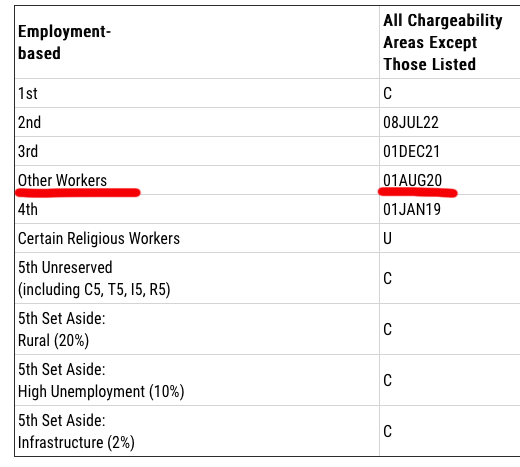
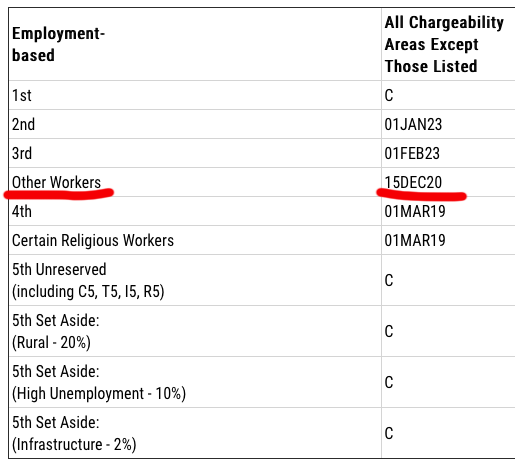
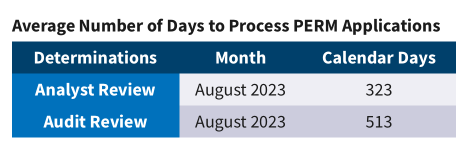
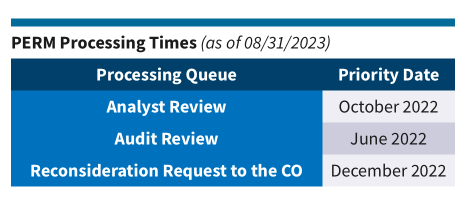

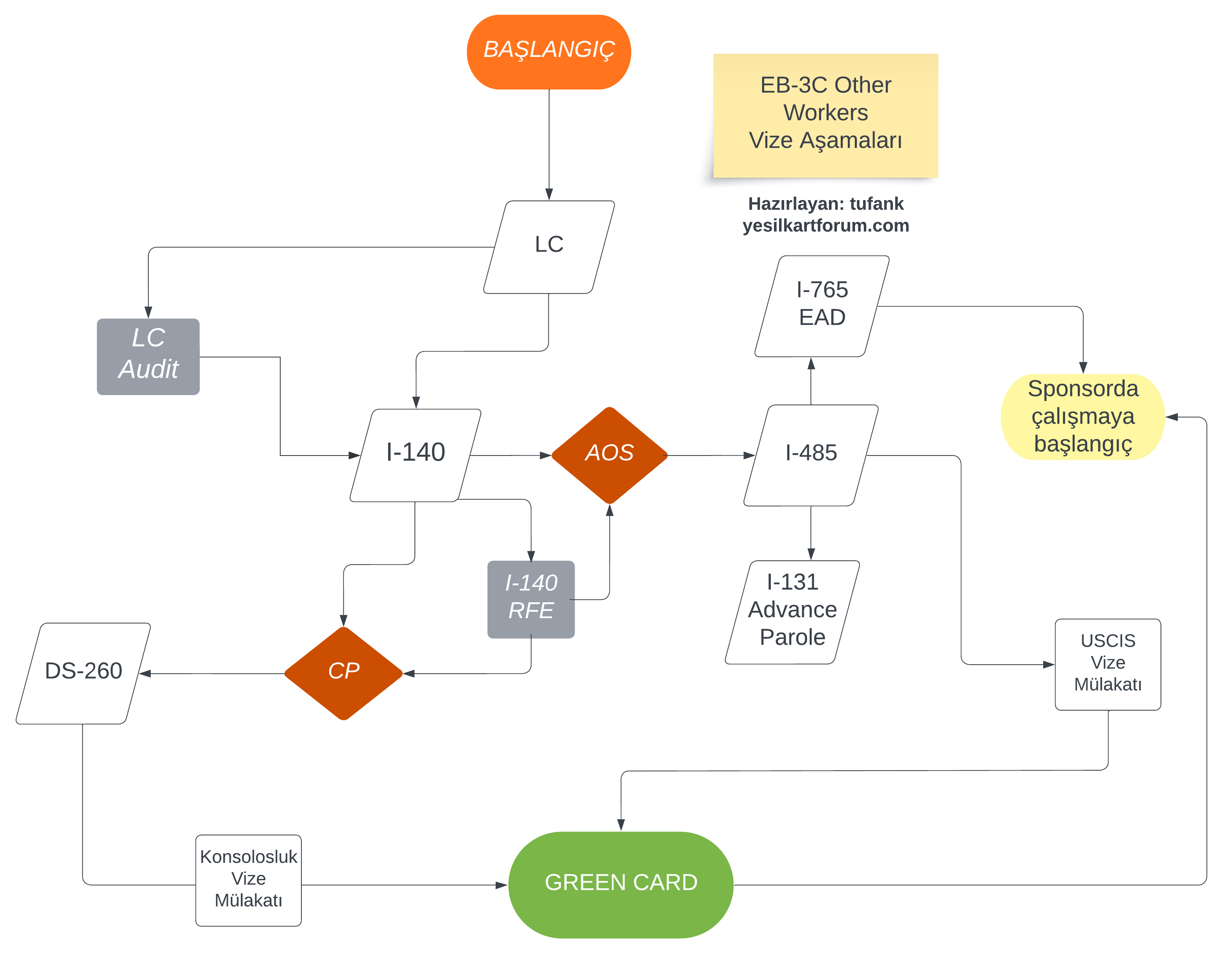

-
@loremipsum malesef boyle bir uygulamamiz yok @emre911 forumda yazilan yazilar bizzat sahsi hakaret vb veya sahsin kendisi istemedikce silmiyoruz.
-
Bu ileti silindi! -
Bu ileti silindi! -
Bu ileti silindi! -
Bu ileti silindi! -
Bu ileti silindi! -
Bu ileti silindi! -
Bu ileti silindi! -
Bu ileti silindi! -
O1 dual intent değil hocam. Attığınız yerde de;
"above, “dual intent” is permissible for O-1 visa holders"
Diye belirtilmiş. Yani izin verilebilir diyor. Buradaki kafa karışıklığınız şundan kaynaklı;
O1'de, B1 ya da F1'dan farklı olarak AOS yapılabiliyor. Ancak seyahat edebilmek vs için Advanced Parole gerekiyor. L1 ve H-1B de bu gerekli değil. Ayrıca O1'de vizeyi geçici olarak aldığınızı, göçmenlik niyeti olmadığını belirtmeniz önemli. Çünkü bunun alındığı iş kolları daha çok sanat, spor ya da yeteneğe dayalı proje bazlı işler olabiliyor ve L1 ya da H-1B deki gibi sureklilik arz etmeyen, esnek işler-sponsorlar söz konusu olabiliyor. Farkları için aşağıdaki kaynakları inceleyebilirsiniz.
https://www.wegreened.com/o1-visa
Elon ise tweetinde, "even for super talented people" ifadesini kullanmış. Yani süper yetenekli insanlar için "bile" diyor. Ancak genel olarak legal göçmenliğin iyileştirilmesi gerektiğini açıkça belirtmiş. Yani yetenekli, yeteneksiz, ailevi, kura ile vs gibi bir ayrım yok.
-
Bu ileti silindi! -
Bu ileti silindi! -
Hocam bu başlık O1'le ilgisiz ancak ısrar ettiğiniz için yasal hükümlerle birlikte paylaşıyorum. Benim bahsettiğim rutin olarak konsolosluktan alınma süreçleriyle ilgili. Bunda da ülke ile bağ gösteriyorsunuz. Sadece daimi ikamet göstermek zorunlu değil. (gösterirseniz daha kolay veriyorlar). Resmi olarak "dual-intent" değil.
https://www.nafsa.org/regulatory-information/8cfr2142o
Ayrıca attığınız FAM da da geçici kalma niyeti bir gerekliliktir, ancak sonrasında yani gittikten sonrasında "izin verilebilir" diyor;
"Under 8 CFR 214.2(o)(13), an intent to remain temporarily in the United States is a requirement for O-1 classification. However, an applicant for an O-1 visa does not have to have a residence abroad which they do not intend to abandon. Further, as explained in 9 FAM 402.13-5(B) above, “dual intent” is permissible for O-1 visa holders."
Bununla ilgili şurada da güzel bir açıklama var;
https://legalpad.io/u-s-immigration-basics/dual-intent-vs-single-intent-us-work-visas/
"2: Bazı web siteleri neden O-1 vizesinin Çift Niyetli vize olduğunu belirtiyor?
L-1 ve H-1B vizeleri tek gerçek Çift Niyet vizeleridir. Ancak, O-1 ile ilgili olarak daimi ikamet arayan kişiler için işleri kolaylaştıran bazı özel hükümler vardır. Diğer göçmen olmayan vizelerin aksine, O-1 vizesi sahiplerinin kendi ülkelerinde ikamet edeceklerini göstermeleri gerekmez. Ayrıca, aile temelli veya istihdam temelli göçmen dilekçesi (EB-1 veya EB-2 NIW gibi) dosyalamak, O-1 çalışanının O-1'de çalışmaya ve seyahat etmeye devam etmesini engellemez. Ancak, O-1 vizesi sahibi bir Durum Ayarlaması başvurusunda bulunduğunda, I-131 Ön Parole verilene kadar seyahat etmeleri kısıtlanacaktır. O-1 vizesi sahipleri yeşil kart alırken yine de dikkatli olmalıdır."Ayrıca;
https://amlawglobal.com/o1-visa-immigrant-intent/
"O-1 Visa Denials and Immigrant Intent
Consular officers are increasingly denying O-1 visas on the grounds of immigrant intent. This is likely due to a number of factors, including the current political climate and the increasing number of O-1 visa applications. The country of origin of the applicant also plays an important role as well as the travel history of the applicant.However, there are conflicting provisions in the Foreign Affairs Manual (FAM) which explicitly provide for an O-1 applicant to have “dual intent” (meaning they can in fact have plans to acquire a green card while acquiring or using an O-1 visa). The problem is that consular officials themselves are not always fully informed on these nuances and apply these provisions improperly.
Therefore, consultations with an experienced O-1 attorney are critical in order to challenge any possible denials at the consulate based on an applicant’s pursuit of a green card through another visa category while having the O-1. We should note that this applies only to O-1 applicants. O-2 applicants on the contrary must prove their non-immigrant intent and must show they have a residence overseas to which they plan to return at the expiration of their O-2 visa.
How to Protect Yourself as an O-1 Applicant
There are a number of things O-1 visa applicants can do to protect themselves from being denied on the grounds of immigrant intent. These include:Gathering evidence of ties to their home country, such as property ownership, job offers, and family ties.
Avoiding making statements that could be improperly construed about the client’s plans and dual intent and used against them at the visa interview.
Working with an experienced immigration attorney to prepare their O-1 visa application."Yani özetle çok dikkat edilmesi gereken ve yasal çelişkiler içeren bir tür. EB3 ile kıyaslanacak bir tür de değil. Bu kol için ekstra bir ayrıcalık sağlanacağını da düşünmüyorum. Alma şartlarının da zeka ile hiçbir ilgisi yok.
-
Bu ileti silindi! -
Bu ileti silindi! -
Bu ileti silindi! -
Bu ileti silindi! -
Bu ileti silindi! -
Bu ileti silindi! -
Bu ileti silindi!





Hello! It looks like you're interested in this conversation, but you don't have an account yet.
Getting fed up of having to scroll through the same posts each visit? When you register for an account, you'll always come back to exactly where you were before, and choose to be notified of new replies (either via email, or push notification). You'll also be able to save bookmarks and upvote posts to show your appreciation to other community members.
With your input, this post could be even better 💗
Kayıt Ol Giriş




Benzer Başlıklar



Forum kurallarına uymayan veya forum düzenine aykırı davranan üyeler uyarılmadan forumdan çıkarılabilirler. Özellikle gereksiz yeni başlık oluşturacakların dikkatine!
K
 P
P
 R
R
 P
I
A
P
I
A
 I
E
I
E
 E
K
E
K
KEMAL CESUR
P
Peyk74
R
Ramazan Apak
P
Pamulak Manobo
ipekc
aryaa
I
ismailgndz
erdibey
E
Ekto Oktan
kadriye
32
Çevrimiçi60.8k
Kullanıcı5.1k
Konu534.9k
İletiPowered by NodeBB | Copyright © 2026 Yesilkart Forum
Forum Kullanımı |
Kurallar |
Künye |
İletişim